B2B sourcing guide
Choosing five-burner built-in gas hobs for wholesale is not only a question of appearance or burner count. A commercial decision has to connect the real cooking task, destination-market requirements, price position, carton efficiency and the documents needed by the importer. ECOBRIDGE organizes this category for distributors and brands building higher-capacity built-in kitchen ranges that need a clearer route from comparison to a confirmed model. This category is being prepared as a sourcing route; request the current model list before planning an order.
The right starting point is a written buyer brief. State the destination country, sales channel, target order quantity, preferred product format and any mandatory certification or labeling requirements. This lets the supplier compare existing products before discussing changes. It also prevents a visually similar sample from being approved with the wrong gas, electrical, language or packaging configuration.
Build the specification around overall dimensions, countertop cut-out, five-burner spacing, central burner arrangement, glass or metal panel construction, pan supports, ignition and destination gas configuration. Ask for a model-level specification sheet and verify every point against the sample and artwork. Dimensions should distinguish the appliance footprint, usable cooking area, installation opening when relevant and packed carton size. Performance language should come from the approved specification or test document, not from a generic category description.
For a built-in gas hob, the overall appliance dimensions and the countertop cut-out are different specifications and must both be confirmed from the exact model drawing. Review the support and sealing method, clearance and ventilation requirements, burner and pan-support arrangement, control location and service access against the approved installation instructions. Confirm the destination gas family, nominal pressure, injector arrangement, inlet connection, ignition supply where applicable and any regulator relationship. Do not present a freestanding or lidded tabletop stove as a built-in cooktop.
Built-in family kitchens and step-up appliance collections where simultaneous cooking matters can require different combinations of capacity, footprint and price. Buyers should map each model to a role: entry, core or step-up. An entry model needs a deliberate cost and carton target; a core model must balance everyday usability and repeat-order potential; a step-up model should add a meaningful reason to trade up, such as capacity, construction or presentation. This ladder is more useful than collecting unrelated products.
Channel also matters. A supermarket or general-merchandise offer may prioritize clear packaging and efficient shelf handling. A distributor may need replaceable components, stable model continuity and mixed-container planning. A project buyer may focus on dimensions, installation conditions and document control. Share the intended route early so the quotation and sample are evaluated against the same commercial purpose.
Normalize every supplier quotation before comparing price. The comparison sheet should identify the exact model, confirmed configuration, included accessories, packing quantity, carton measurements, customization charges, sample cost, tooling where applicable, lead time, inspection basis and trade term. A unit price without this context can describe a different product or a different delivery responsibility. Separate confirmed items from open items, and ask the supplier to mark any deviation rather than silently substituting a component, finish or packing method.
For an internal buying review, place the shortlisted models in one table with dimensions, cooking or heating capacity, energy configuration, controls, surface or body construction, destination labels, packaging, available documents, minimum-order route, sample status and expected production timing. Evaluate landed value and repeat-order stability as well as the first quotation. The purpose is not to create unsupported technical claims; it is to make the decision trail auditable and expose what still needs confirmation. A clear comparison table also gives sales, quality, logistics and finance teams the same baseline before a purchase order is released.
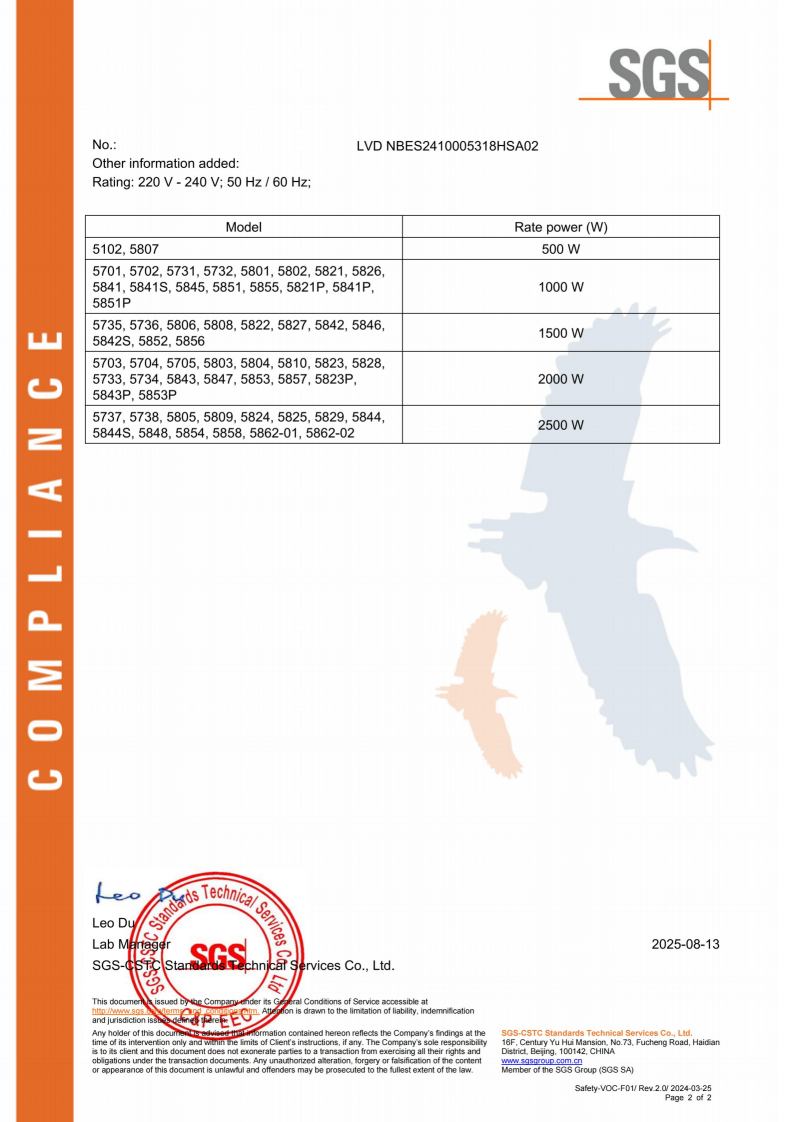
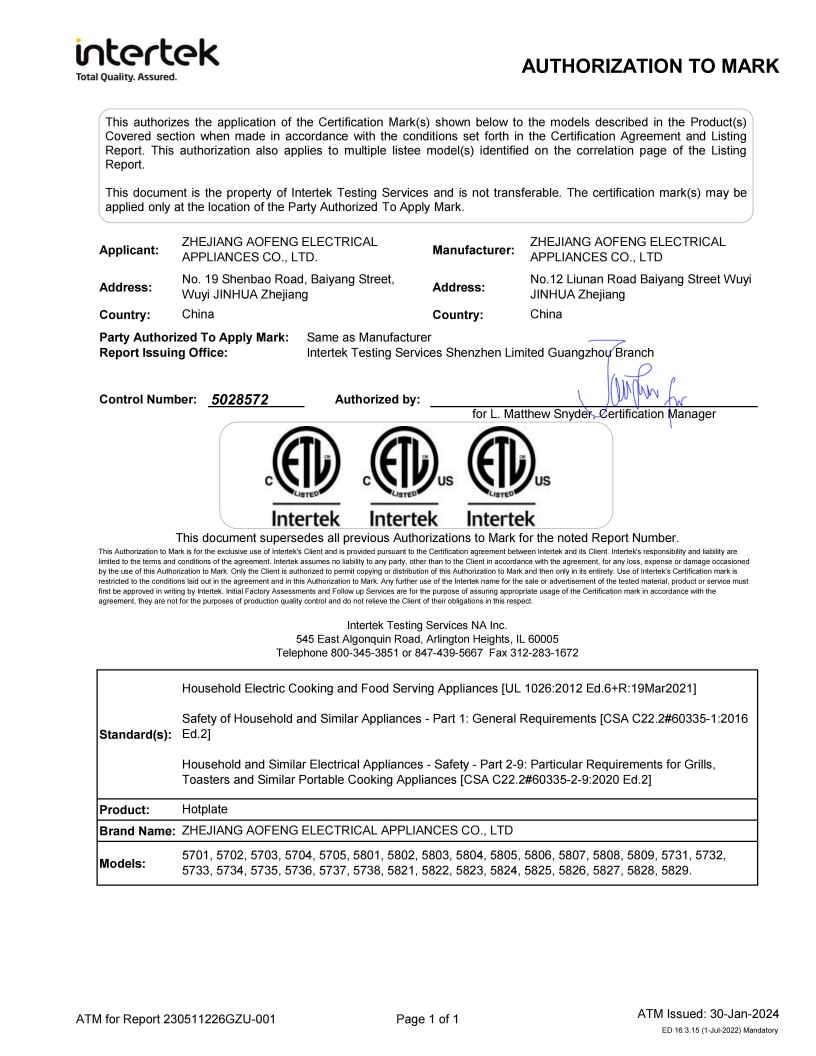
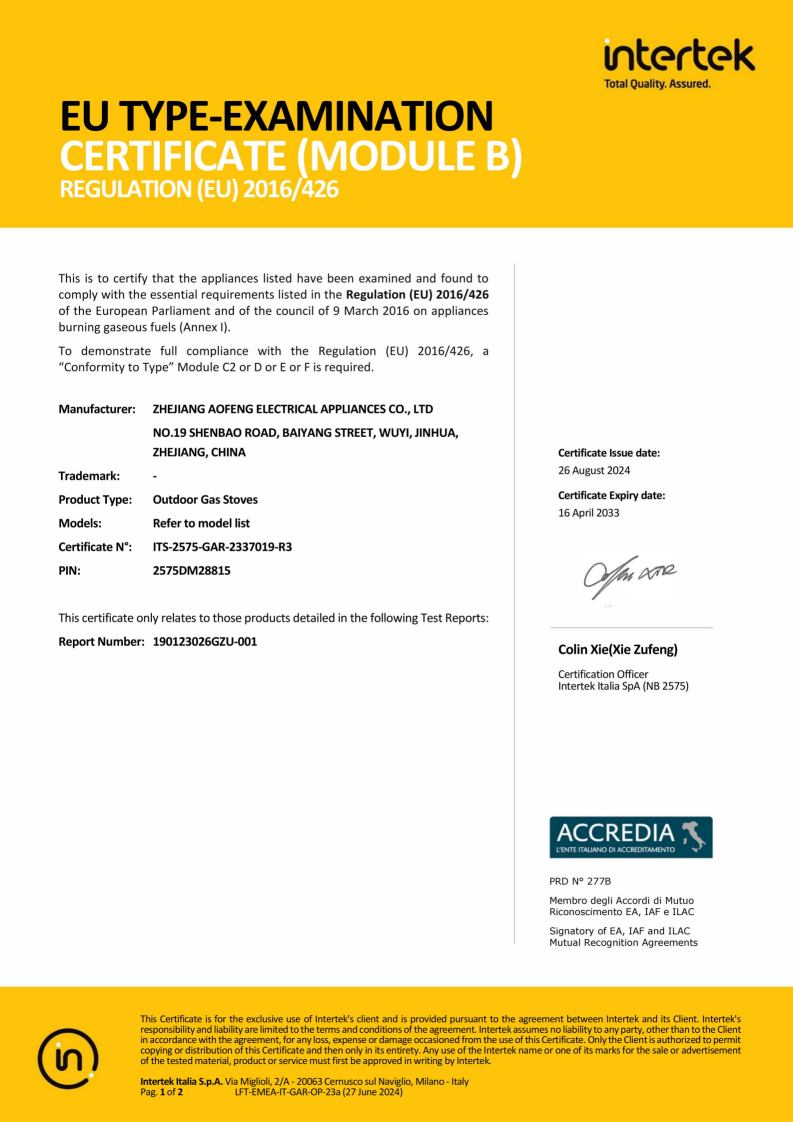
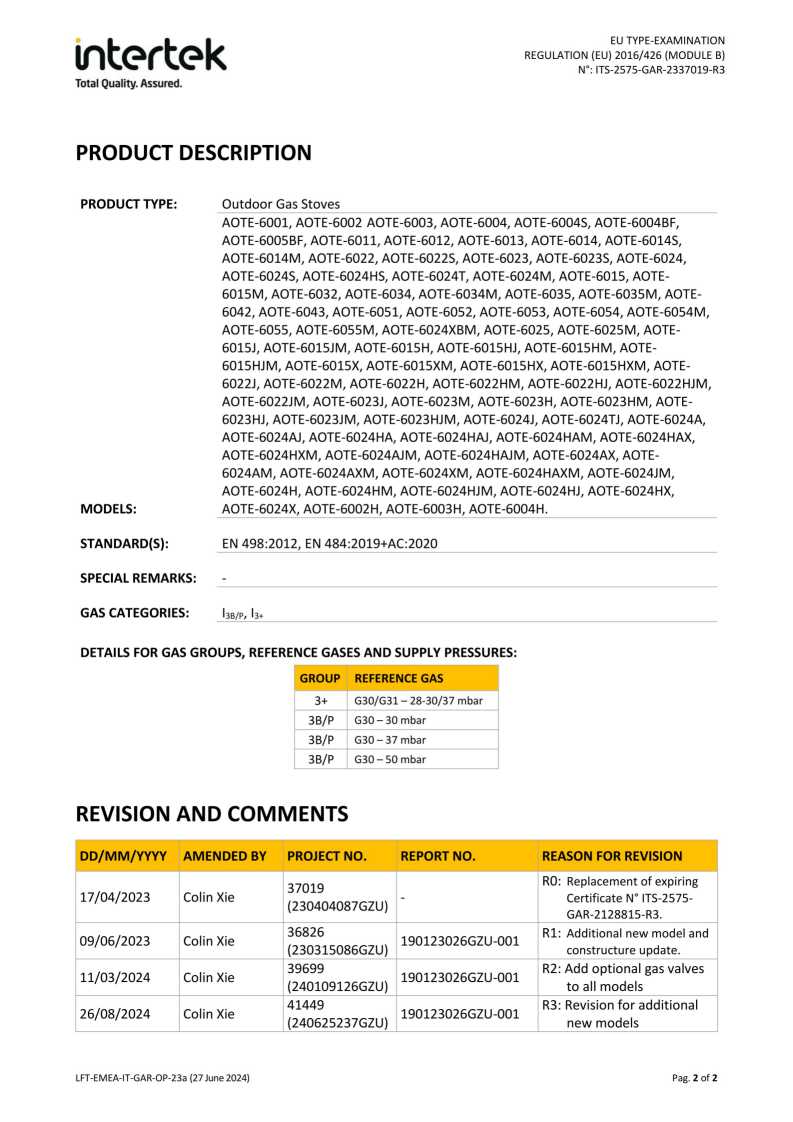
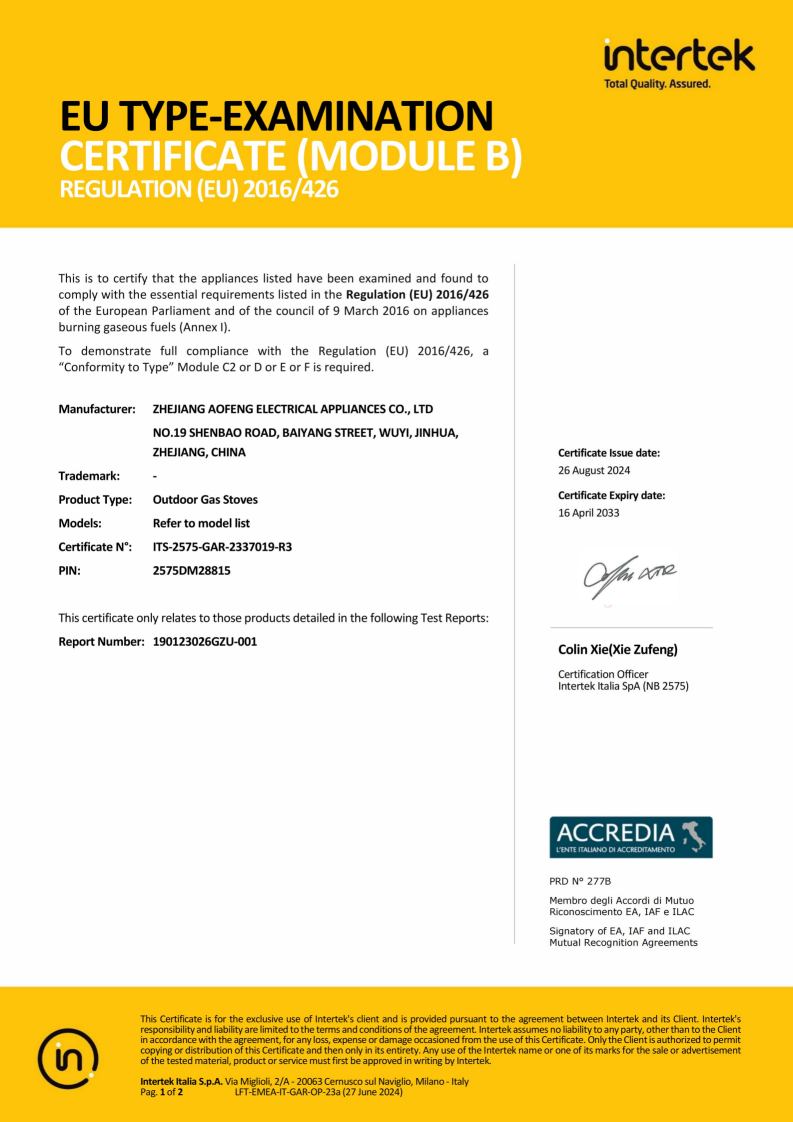
Private-label work should begin after the base model is confirmed. Review which surfaces and components can actually be customized, then approve logo artwork, colors or finishes, rating label, warning labels, manual language and carton graphics. Do not place unverified marks or claims on the appliance or package. Certification references must match the exact model relationship and market scope shown in the applicable documents.
Packaging is part of the product system. Confirm inner protection, accessory placement, master-carton dimensions, gross and net weight, carton markings and loading assumptions. For orders containing several models, compare carton volume as well as unit price. A lower unit cost can lose its advantage if the packed format reduces container utilization or increases damage risk. Stock models and customized production may have different minimum quantities and lead times, so request the applicable route in the quotation.
Use the approved sample, specification, bill of materials or controlled component list, artwork files and packing standard as the inspection basis. Relevant checks may include visual finish, control operation, stability, ignition or heating function, leakage or electrical safety checks performed under the factory plan, labels, accessories and carton condition. The exact inspection scope should be agreed for the product and order; a generic checklist is not a substitute for model-specific requirements.
Keep a release sequence from quotation to shipment: buyer brief, model selection, destination configuration, artwork, sample, production confirmation, inspection and shipping documents. Record changes by revision. This makes repeat orders easier because the factory and buyer can compare the new order with a known approved baseline instead of rebuilding the specification from email history.
A complete brief makes model matching faster and reduces speculative recommendations. If a requirement is not yet known, mark it as open rather than assuming. ECOBRIDGE can then identify which existing product information is available and which points require confirmation before quotation.
Confirm the intended market, expected order quantity, target channel and the required overall dimensions, countertop cut-out, five-burner spacing, central burner arrangement, glass or metal panel construction, pan supports, ignition and destination gas configuration. A quotation should be tied to an exact model and destination specification rather than only a category name.
Country suitability depends on the exact product. Gas family, pressure, inlet, regulator relationship, voltage, frequency, plug, labels, warnings and manual language must be confirmed for the destination before approval.
OEM presentation can be reviewed after the base model is selected. Confirm logo position, color or finish options, rating-label content, manual language, inner protection, master carton artwork and order quantity before final artwork approval.
Use a controlled approval chain: model and specification confirmation, artwork approval, sample review, pre-production confirmation, inspection requirements and shipment-document review. Keep every approval linked to the same model code and revision.
Start with a model-level brief
Send the market, configuration, quantity and packaging priorities. We will respond with the closest applicable product route and the points that still need confirmation.
 English English
  Spanish
 Portuguese
 French
 Dutch
Dutch
 Bengali
 Russian
 Arabic