Wholesale sourcing · Multi-SKU range

A better order begins with a better assortment

Build an entry–core–step-up range, compare variants on the same specification basis, and plan the documents and cartons before shipment.

SKU ROLE

Entry, core and step-up

Define the buyer, cooking need and price position for every product in the range.

SPEC FILE

Compare like with like

Record model, dimensions, configuration, finish, accessories and approved variant per SKU.

DOCUMENT PACK

Labels, manuals and evidence

Match language, rating information and available documents to the ordered model.

LOADING PLAN

Cartons before shipment

Confirm quantity by SKU, carton data, inspection references and shipping terms.

Buyer decision brief

How should an importer prepare a comparable gas stove RFQ?

Give every supplier the same requirement before comparing price. A useful RFQ identifies the exact model role, destination configuration, included parts, artwork, packing basis, quantity and shipment assumptions so differences do not remain hidden behind one unit price.

Which quotation fields must match?

Compare the model and variant, burner count, panel and lid, gas family and pressure, ignition, inlet, included accessories, packing basis, gross and net weight, carton dimensions, loading reference, quantity, lead time and commercial terms.

How should a distributor build an assortment?

Assign each SKU a role: entry, core or step-up. The range should cover a deliberate cooking need and price position rather than repeat similar models without a clear channel purpose.

What supports a repeat order?

Keep one controlled specification file, approved sample reference, artwork set, packing data, inspection criteria and spare-parts plan. Reconfirm any component or configuration change before repeating the order.

Information to confirm

  • SKU role and exact model reference
  • Destination energy configuration
  • Included and excluded accessories
  • Branding, manual and label files
  • Carton basis and loading information
  • Sample approval, inspection and repeat-order controls
Reviewed 29 September 2026. Product and document scope must be confirmed against the selected model and destination market before ordering.

Range architecture

Choose a role for every SKU

01 · Price point

Entry

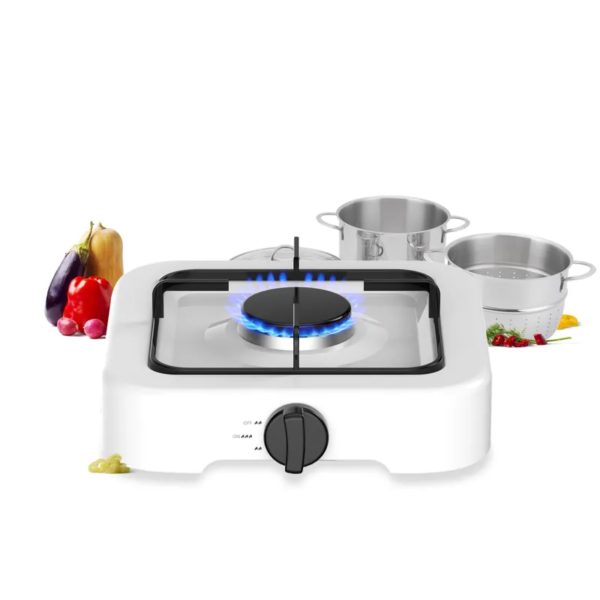
A one-burner or price-sensitive tabletop offer for a clearly defined channel.

02 · Household need

Core

Two- and three-burner everyday formats with a documented gas configuration.

03 · Trade-up

Step-up

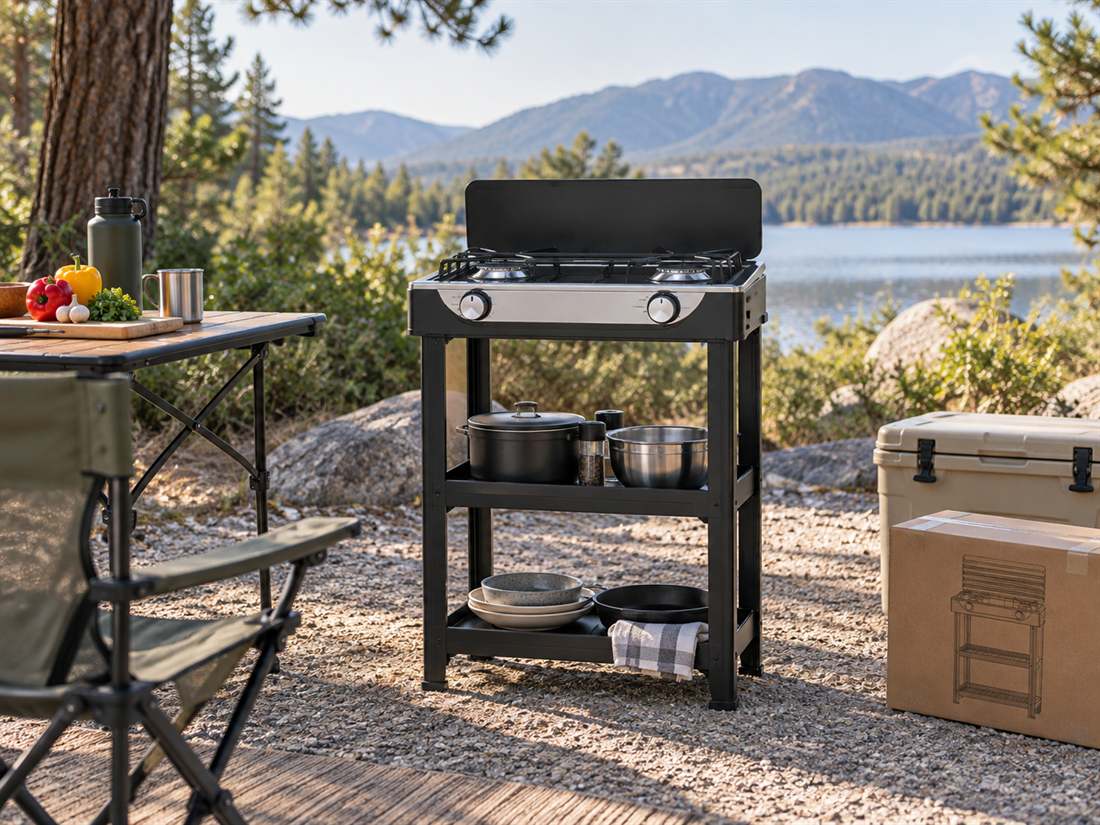
Higher-capacity or stand-supported formats where the market supports the footprint.

Options & specifications

Make every SKU comparable before negotiating price

A distributor proposal is stronger when product, commercial, document and shipment data are reviewed in the same format.

01 · Product file

One specification sheet per SKU

Give every quoted item one controlled product identity so models are compared on the same basis instead of by image or burner count alone.

02 · Commercial file

Separate stock and custom routes

Keep availability and custom production in separate commercial paths because they have different quantities, approval work and timing.

03 · Document file

Match labels and evidence to the SKU

Organize market-facing files and available evidence around the exact model and configuration being ordered.

04 · Shipment file

Plan inspection and loading

Build the shipment from carton-level data rather than estimating freight from product photographs or unit dimensions.

Application planning

Build an assortment with a reason for every SKU

A good wholesale range covers distinct buyer needs without creating unnecessary overlap.

ENTRY

A clear price and cooking-use starting point

Use one-burner or compact formats for a defined channel and price position, with the exact energy configuration documented.

CORE

Everyday household formats that carry the volume

Two- and three-burner tabletop models can anchor the range when their footprint, fuel configuration and carton economics fit the market.

STEP-UP

Capacity, stands or branding that justify a higher tier

Use larger or more customized products when the channel can support the price, packed volume and after-sales information.

From order to dispatch

Know what is inside the carton

Plan each SKU with its model configuration, packing dimensions, manual language, label and carton artwork, inspection requirements and shipment terms.

Factory capabilities

One supply chain from metal panel to shipment

A distributor needs more than product photos. These six factory stages connect production, branding, packing and warehouse preparation in one visible order route.

01 · FORMING

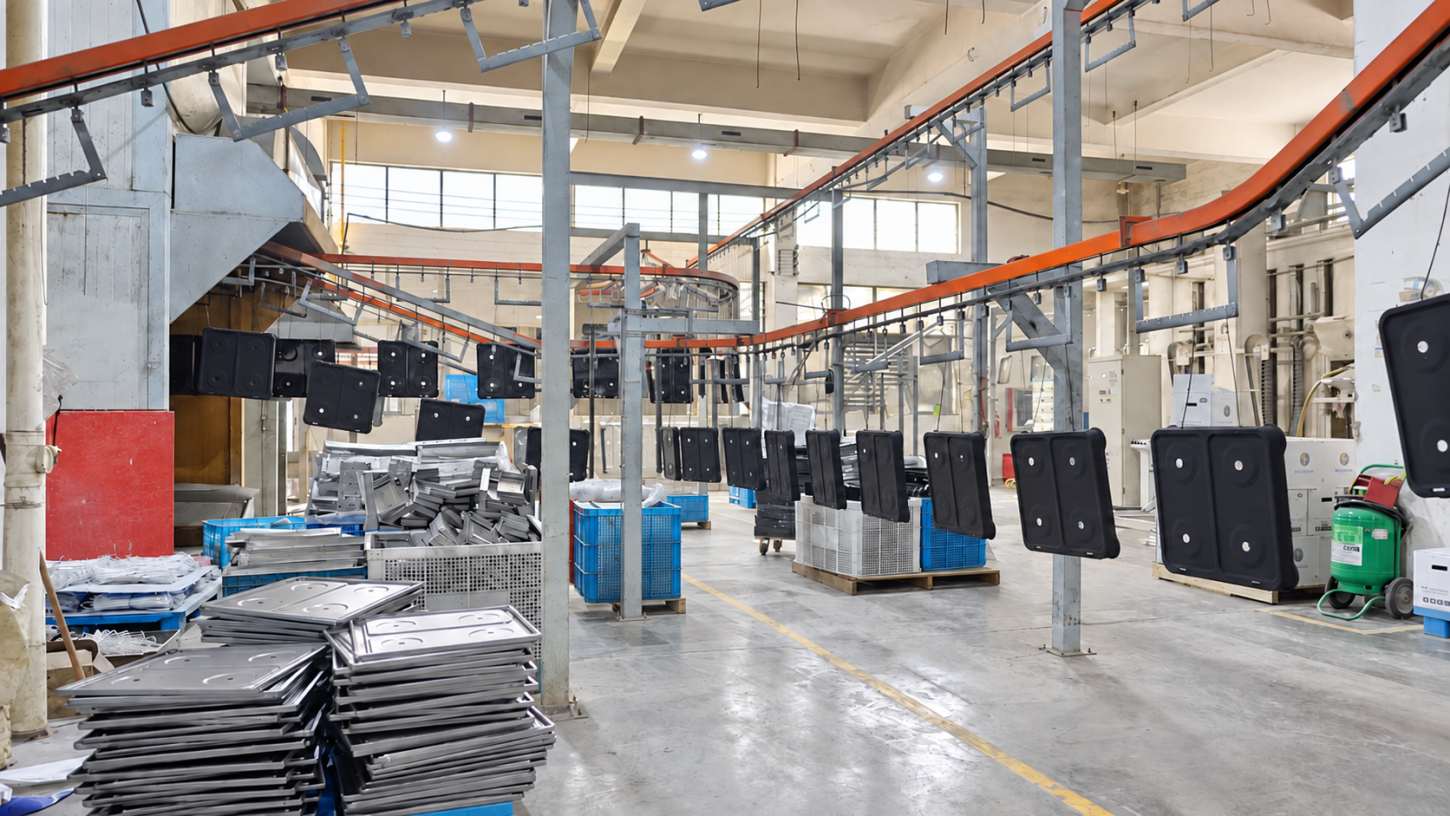
Metal panel forming

Panels are formed to the selected stove platform before finishing and branding begin.

02 · FINISH

Surface coating

Color and surface finish are matched to the confirmed model and order specification.

03 · BRANDING

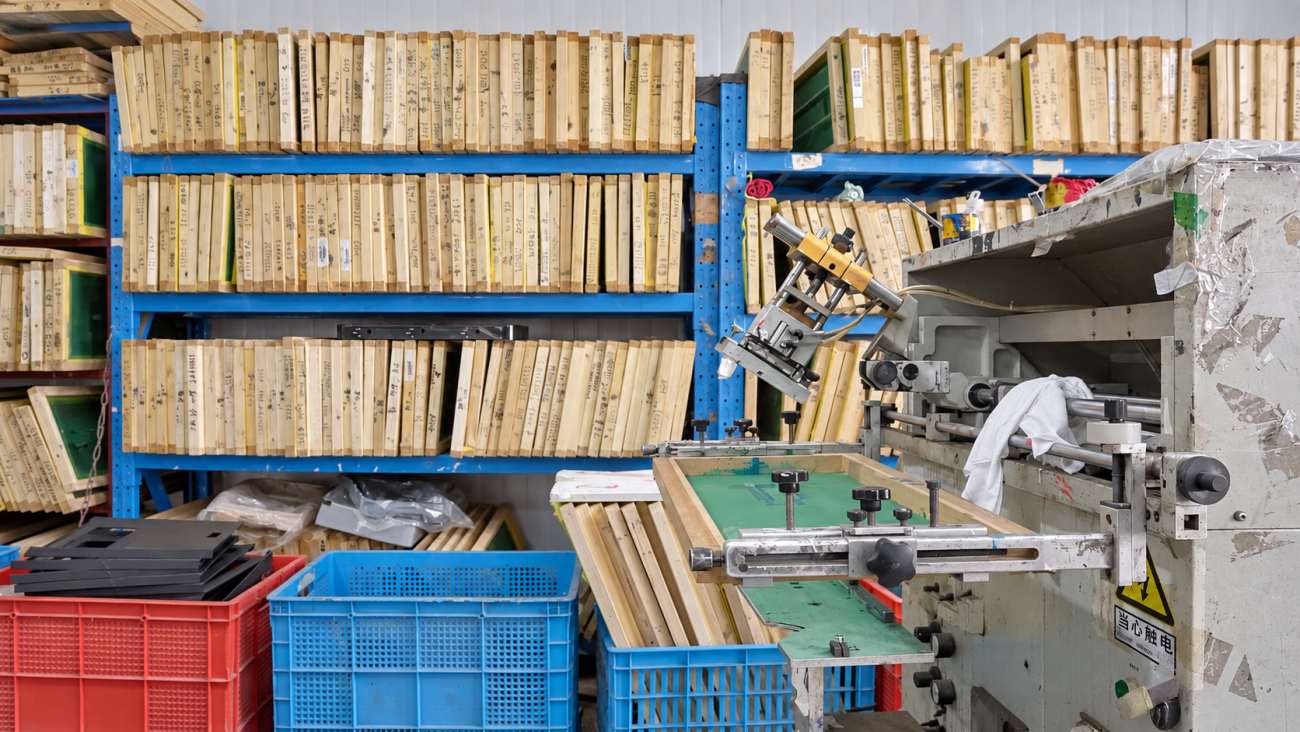
Screen printing

Logo position, artwork and print color are checked against the approved sample.

04 · BUILD

Stove assembly

Burners, valves, panels and accessories are assembled for the ordered configuration.

05 · PACK

Packing line

Cartons, manuals, labels and accessories are packed for the destination market.

06 · RELEASE

Warehouse & shipment

Finished orders are counted, documented and prepared for shipment.

Built for your sourcing plan: Send the model mix, quantity by SKU, branding scope, required documents and delivery terms for a comparable quotation.

RFQ worksheet

Make quotations comparable

Line itemInclude in your request
ProductModel, burner count, finish, gas/electrical rating, approved variant
CommercialStock or custom, quantity by SKU, target terms and destination
DocumentsManual language, label, carton proof, certificate scope
ShipmentMaster-carton dimensions, quantity, inspection and loading plan

From brief to repeat order

A distributor order in five controlled files

Each checkpoint produces a practical file or approval for the next step. Use the sequence to prepare a complete enquiry and reduce avoidable changes before shipment.

01

Assortment

Role and quantity for each SKU

02

Specification

Variant, dimensions and finish

03

Commercial

Stock/custom route and terms

04

Documents

Labels, manuals and evidence

05

Shipment

Inspection, cartons and loading

Ready to start? Send the destination, model or burner count, configuration, quantity and required documents. We will turn the brief into a comparable quotation path.

Certificates & reports

Inspect the evidence behind the product

Open the real source pages and compare the listed model, configuration and document scope with your destination requirements. The complete evidence library is filed under About Us.

Open the gas-stove document group and review the listed models and gas categories.

Compare the ordered model and gas configuration with the source document before quotation.

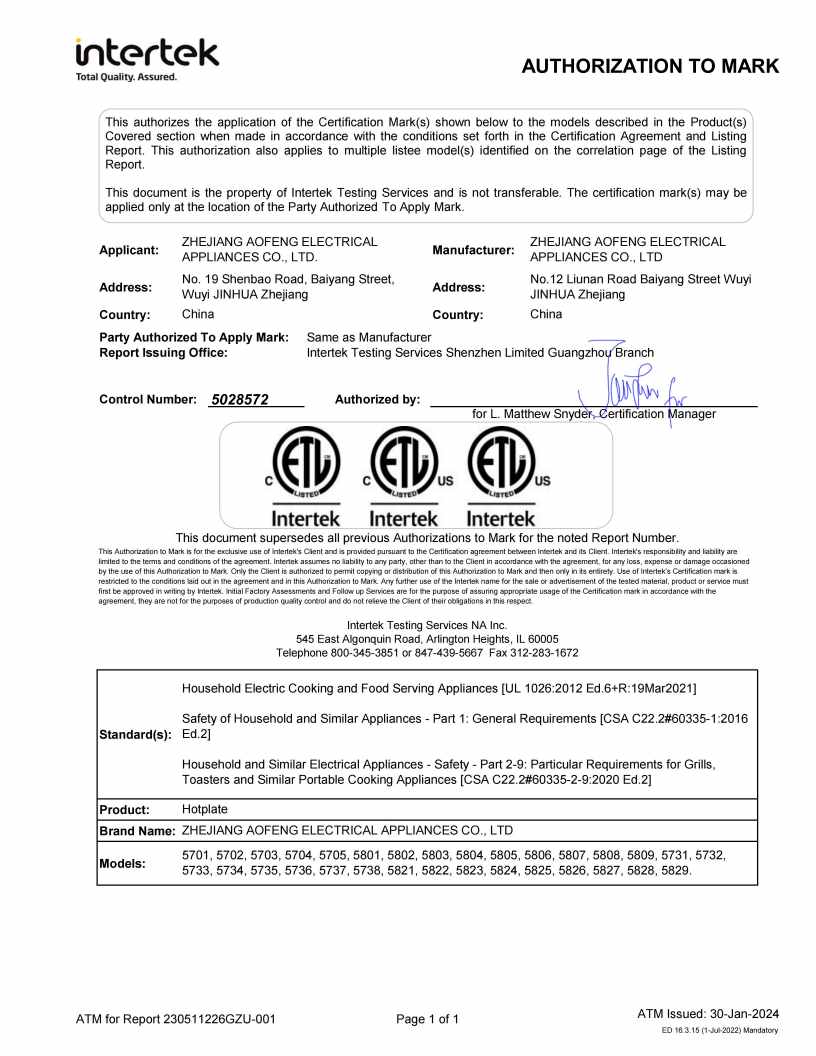
Review the electric hot-plate model references, ratings and document dates.

Open the electric evidence group for EMC, CB and Intertek report pages.

Frequently asked

Answers buyers need before they order

Short, practical answers for comparing models, custom work, documentation and shipment planning.

Send the model and quantity by SKU. In-stock products have no MOQ; availability, carton multiples and shipping arrangements are confirmed in the quotation.

Private-label or other custom orders start at 1,000 units; define the configuration and artwork to quote accurately.

Customized orders start at 1,000 units. In-stock products have no MOQ, subject to current availability, carton multiples and shipment arrangements.

Send the destination market, preferred model or burner count, energy configuration, quantity by SKU, branding scope, required documents and shipping destination.

Yes, where supported by the selected platform. Release the finish, logo, rating label, manual and carton artwork together before mass production.

Open the original document and compare its model list, product description, rating or gas category and destination scope with the exact ordered variant.

Turn a catalog into an order plan

Tell us the destination, channel, intended SKUs, quantities, required documents and shipping terms.