Blogues

Página inicial / Blogue / Archive by category "Market & Import Insights"
Todas as notícias que precisa de saber sobre a ECOBRIDGE 
Fogões a gás CKD vs CBU

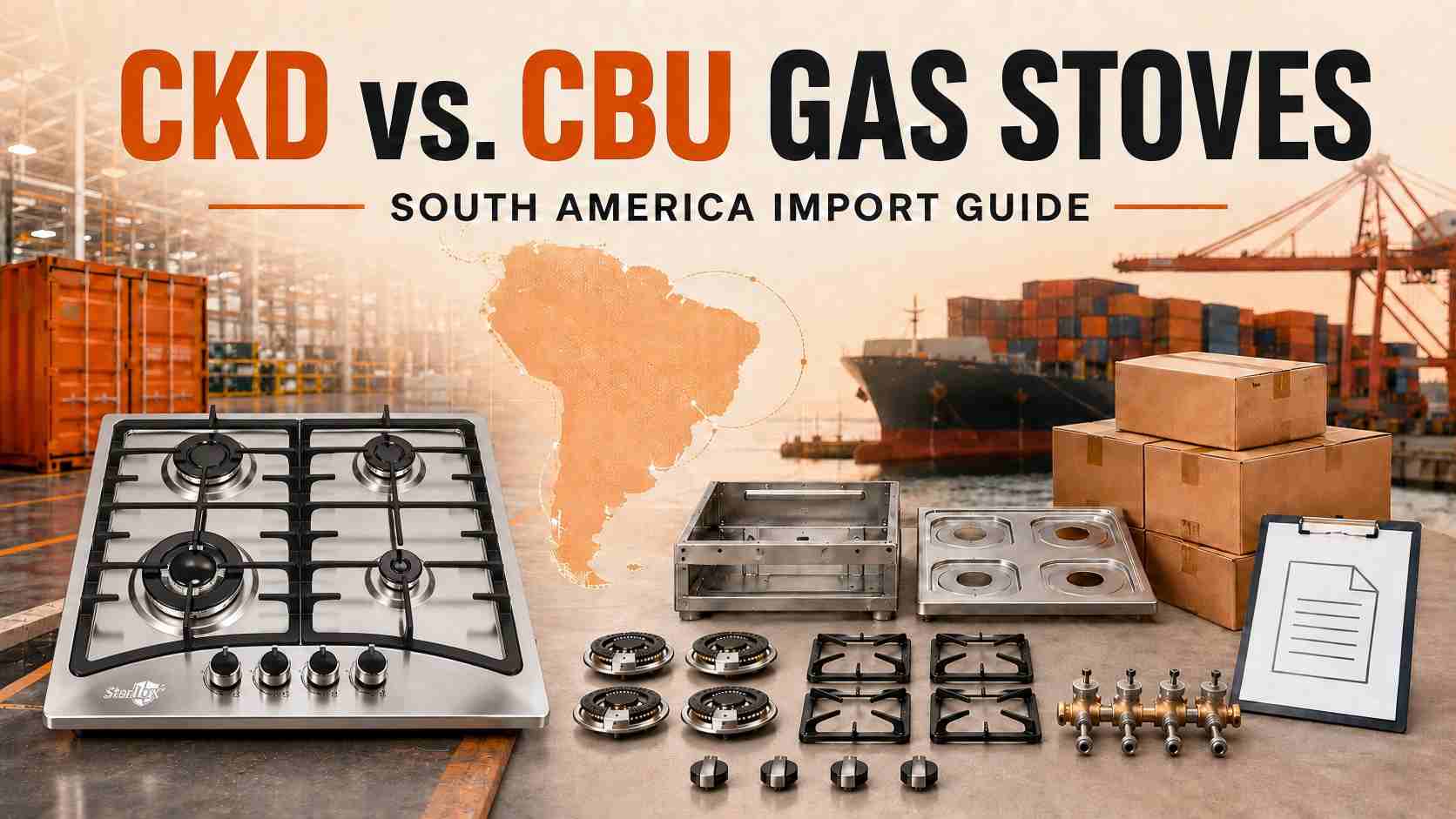
Fogões a gás CKD vs. CBU: Como reduzir os direitos aduaneiros na América do Sul

South America Import Strategy · Updated August 2026 The lowest factory price does not always produce the lowest landed cost. Choosing CBU, SKD, or CKD depends on classification, origin, local assembly, taxes, freight, and compliance. For gas stove importers, CKD vs CBU gas stoves may look like a simple tariff decision. In practice, South America is not one customs market, and CKD does not automatically receive a lower duty rate. At EcoBridge, we manufacture OEM and ODM gas stoves for international brands and distributors. This guide explains how to compare the formats and build a compliant import plan. Always confirm the final code, origin rule, and taxes with the destination customs authority or a licensed broker. The central customs rule A shipment does not become “parts” only because the stove is unassembled. Under the World Customs Organization’s General Interpretative Rule 2(a), a complete article presented unassembled or disassembled can be classified in the same heading as the assembled article. CKD vs CBU Gas Stoves: What Do the Terms Mean? CBU, SKD, and CKD describe how products leave the factory. They are logistics terms—not tariff codes. Customs classification depends on the goods as presented, Harmonized System rules, national schedules, and supporting documents. Format How It Is Supplied Local Work Required Main Customs Question Typical Fit CBU Complete Built-Up stove, assembled and factory tested Inspection, labeling, and distribution Finished-product code, origin, and applicable preference Fast market entry, lower volume, limited local production SKD Semi Knocked-Down modules, such as body, top panel, and burner system Module assembly, connection, leak and function testing Does the shipment already have the essential character of a stove? A staged move toward local assembly CKD Complete Knocked-Down components for local assembly Assembly, gas and electrical tests, final QC, and packing Are these genuine separately classified parts, or an

Leia mais »
importar fogões a gás da China

Como importar fogões a gás da China: um guia completo para importadores

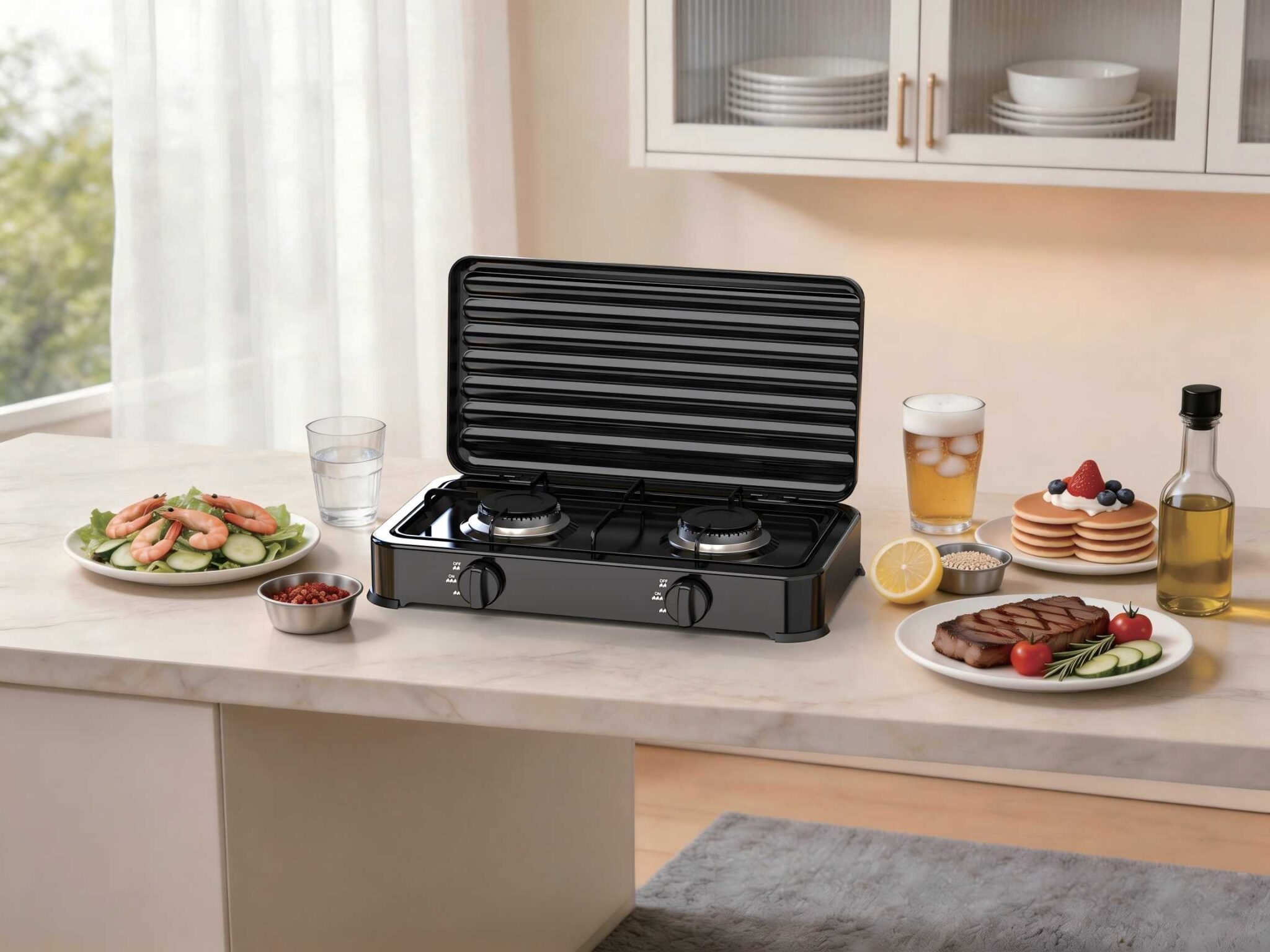
China offers importers a broad choice of gas stoves, flexible OEM options, and scalable production. However, a successful order depends on much more than finding the lowest unit price. To import gas stoves from China successfully, buyers must define market-specific requirements, verify compliance, control production, and plan customs clearance before placing a deposit. This guide covers the process for importers and private-label brands. Import Roadmap 01 Define specifications 02 Confirm compliance 03 Verify the factory 04 Approve a sample 05 Lock the contract 06 Inspect production 07 Ship and clear customs 08 Manage after-sales 1. Define Specifications Before You Import Gas Stoves from China Start with the destination market, not the supplier catalog. Gas types, supply pressures, installation methods, electrical systems, and consumer preferences vary by country. A model that works in one market may be unsafe or non-compliant in another. Your request for quotation should specify: Freestanding range, built-in cooktop, tabletop stove, or portable model LPG, natural gas, or approved conversion configuration Local gas category, inlet pressure, injector size, and required heat input Number and type of burners, ignition system, and flame-failure protection Panel material, pan supports, knobs, dimensions, voltage, plug, and power cord Branding, manuals, labels, retail packaging, carton strength, and spare parts Practical rule: Never ask only for “a four-burner gas stove.” A complete specification sheet prevents incorrect quotations, expensive redesigns, and certification delays. 2. Confirm Safety and Market Compliance Before Ordering Importers remain responsible for placing compliant products on their market. Therefore, confirm the applicable laws, standards, conformity assessment, labels, documentation, and local-language instructions before sample approval. Market Key Starting Point Importer Action European Union Regulation (EU) 2016/426 on appliances burning gaseous fuels; third-party conformity assessment and CE marking Verify the notified-body certificates, model identification, EU Declaration of Conformity, technical documentation, traceability labels, and required language

Leia mais »