

Руководство по упаковке и погрузке газовых плит: 5 вопросов для импортеров
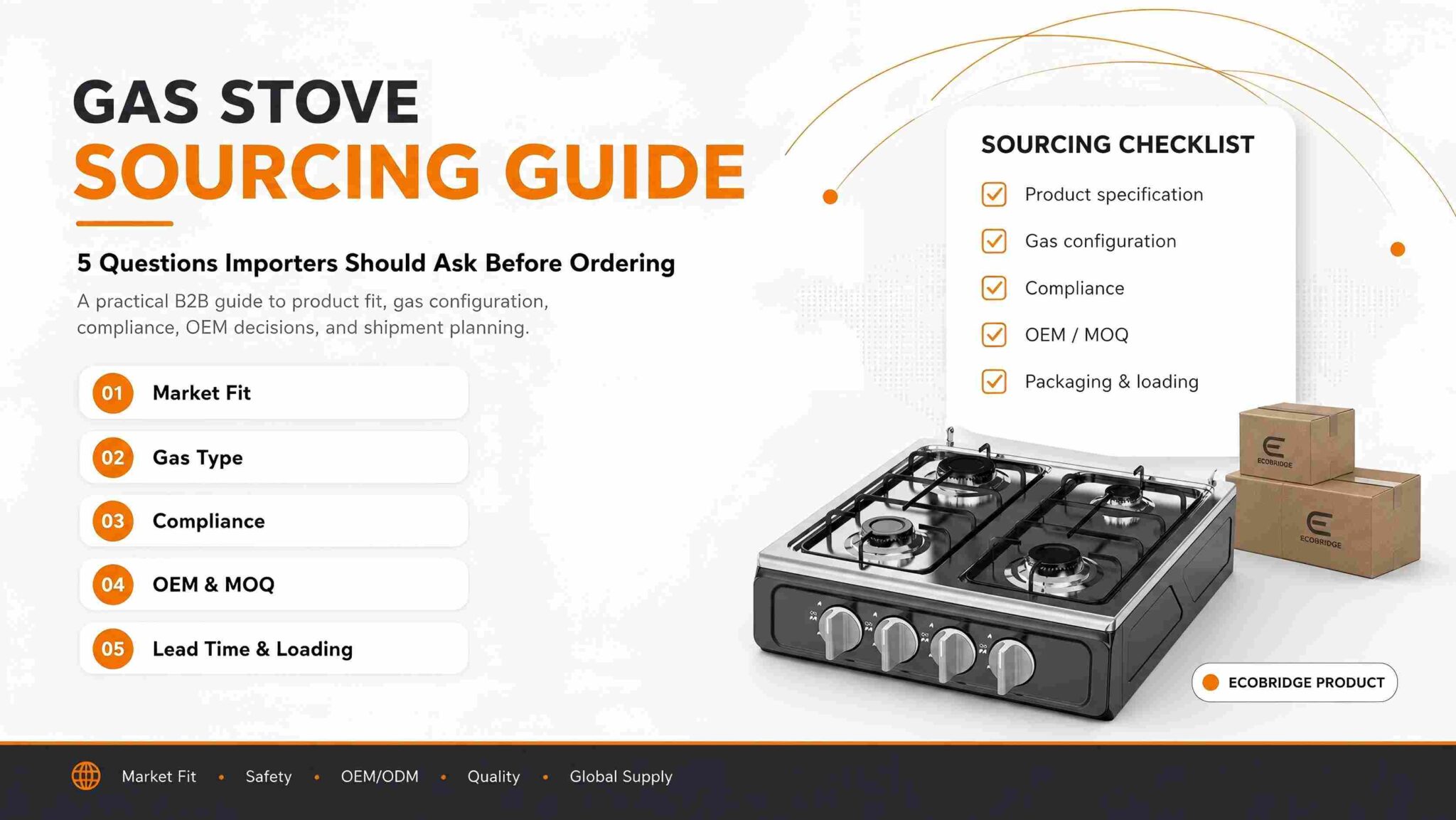
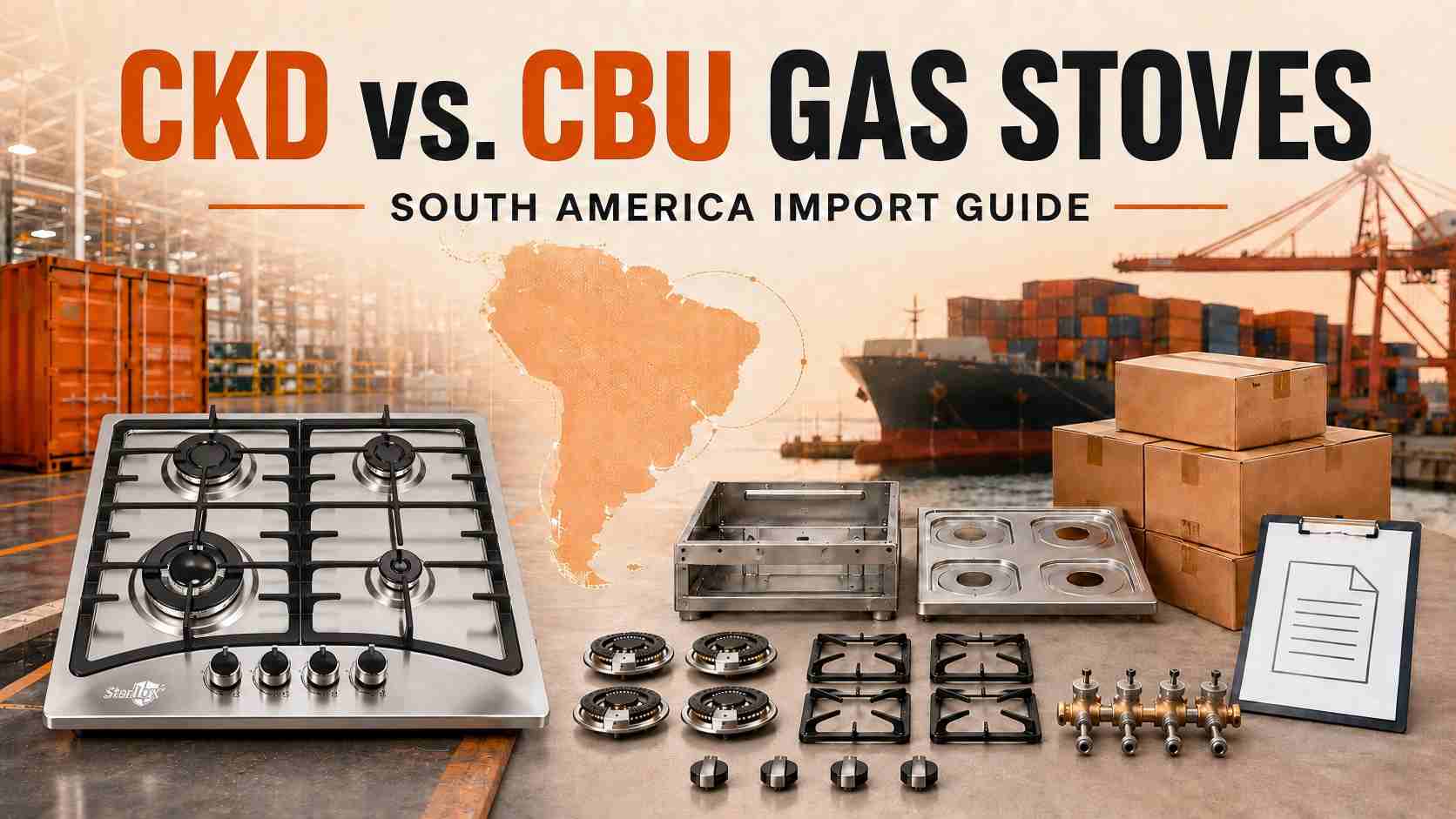
Gas Stove Packaging & Container Loading Guide: 5 Questions Importers Should Ask Gas stove packaging and container loading can have a direct impact on the real cost of an international order. For importers, distributors, wholesalers, retailers, and private-label brands, comparing factory unit prices alone is not enough. Carton dimensions, pieces per carton, product protection, packing orientation, container utilization, gross weight, and assembly format can all influence the final landed cost. Two gas stoves with similar factory prices may produce very different shipping economics if one requires significantly more container space. Likewise, reducing packaging materials simply to make the carton smaller can create another problem: higher transportation damage. A good sourcing decision therefore needs to balance: Product protection Carton dimensions Loading efficiency Freight cost Product configuration Local assembly capability Inspection requirements Final landed cost This gas stove container loading guide answers five practical questions importers should confirm before approving packaging and booking a shipment. Quick Answers for Gas Stove Importers Buyer Question Quick Answer How should gas stoves be packaged for export? Export packaging should protect the appliance during factory handling, container loading, ocean transport, warehousing, and local distribution while remaining commercially efficient. How many gas stoves fit in a 20GP or 40HQ? There is no universal quantity. It depends on carton dimensions, pieces per carton, packing orientation, container type, pallet use, product configuration, and loading restrictions. Does carton size affect landed cost? Yes. A larger carton can reduce the number of units per container and increase freight cost per stove even when the factory unit price is unchanged. Should buyers choose CKD, SKD, or CBU? The best format depends on local assembly capability, tariffs, labor cost, factory infrastructure, quality control, logistics, and destination-market requirements. What should be confirmed before container loading? Confirm final quantity, carton size, gross weight, shipping marks,





 English
  Spanish
  Portuguese
  French
  Dutch
Dutch  Bengali
  Russian
  Arabic